Eggshells
Cretaceous
USA, China, Mongolia, Argentina, France
Multiple localities across several countries
Coloration Data
In Wiemann et al. (2015), the eggshell coloration of the oviraptorid Heyuannia huangi was analyzed by detecting molecular pigment biomarkers — protoporphyrin and biliverdin. The authors suggest that the eggs of Heyuannia were likely olive-green (if uniformly colored) or speckled with brown spots on a blue-green ground (if maculated). Subsequently, Wiemann et al. (2018) conducted a broad-scale survey of fossil and extant eggshells spanning from the Cretaceous to the present day. Mesozoic taxa analyzed included Maiasaura peeblesorum, Deinonychus antirrhopus, and an indeterminate troodontid from the USA; an enantiornithine bird, a microtroodontid, and a troodontid from Mongolia; a saltasaurid from Argentina; a titanosaur from France; and Heyuannia huangi from China. The study demonstrated that all sampled Cretaceous ornithischian and sauropod eggshells lacked pigments (and were thus unpigmented/white). In contrast, eggshells across the sampled Cretaceous eumaniraptorans were pigmented. The sole exception among the maniraptorans was the North American troodontid, in which pigments were absent — a condition interpreted by the authors as a secondary evolutionary loss of eggshell pigmentation.
High-Performance Liquid Chromatography (HPLC), Electrospray Ionization Quadrupole Time-of-Flight Mass Spectrometry (ESI-Q-TOF-MS), and high-resolution Raman spectroscopy.
Publications
-
Arindam Roy, Michael Pittman, Evan T. Saitta, Thomas G. Kaye, Xing Xu (2020)
An overview article on the paleo‑coloration of amniotes. -
Jasmina Wiemann, Tzu-Ruei Yang, Philipp N. N Sander, Marion Schneider, Marianne Engeser, Stephanie Kath-Schorr, Christa E Müller, P. Martin Sander (2015)
Studying the coloration markers in the fossil eggshell of Heyuannia huangi. -
Jasmina Wiemann, Tzu-Ruei Yang & Mark A. Norell (2018)
A study of the coloration of eggs of different species.
Documents and files
-
Roy_et_al_2020.pdf (PDF)
Review article on amniote paleocolor in Biological Reviews of the Cambridge Philosophical Society. -
Wiemann_et_al_2015.pdf (PDF)
Article describing the eggshell color of Heyuannia huangi.
Reconstructions
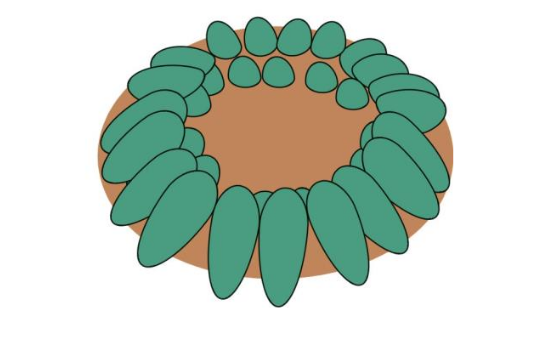 Nest model of Heyuannia huangi.
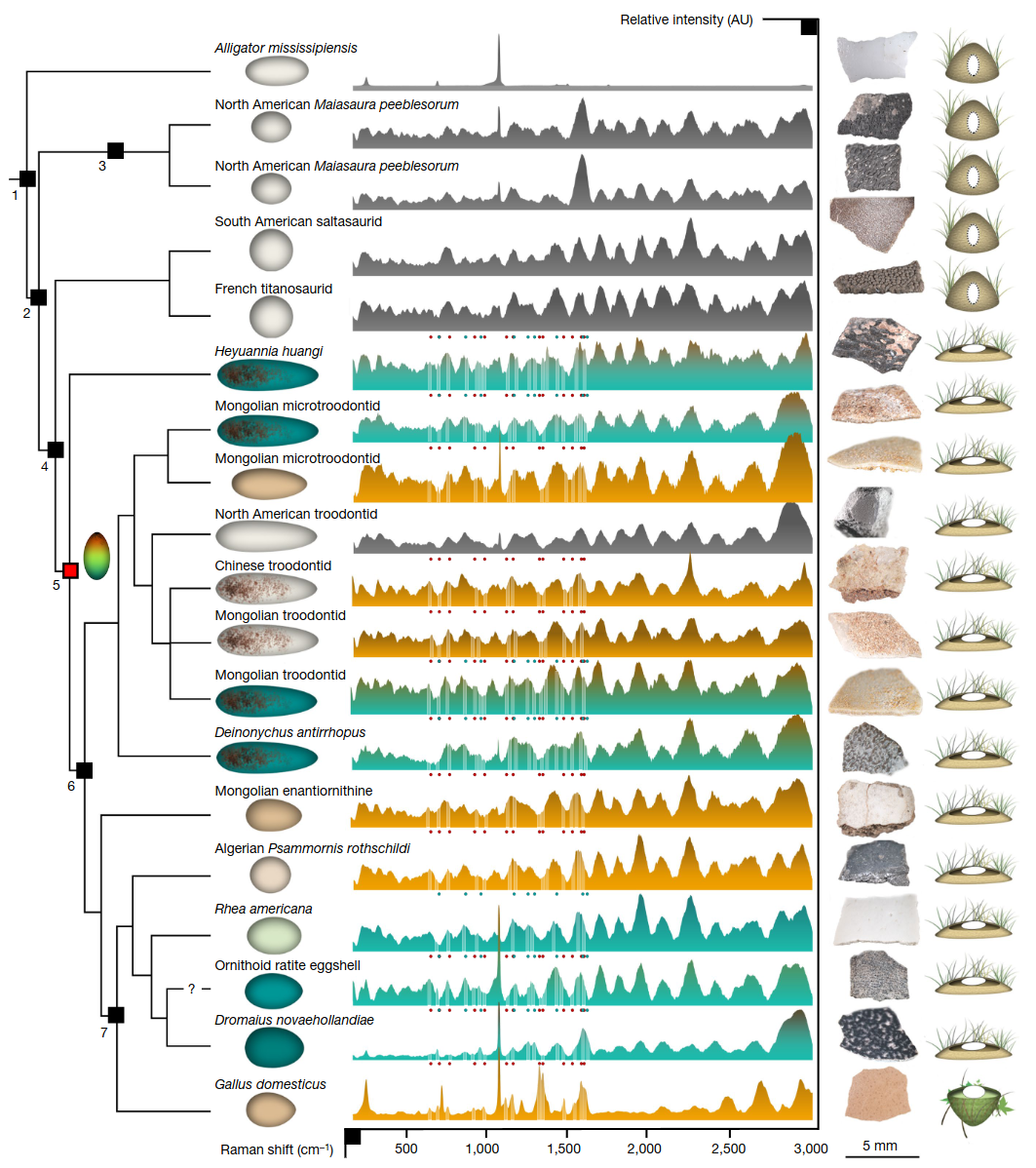 Reconstruction of egg shape and color in Cretaceous and later species, their Raman spectra, specimen photographs, and nesting types: buried, open ground, and open arboreal from Wiemann et al. (2018).
Fossils
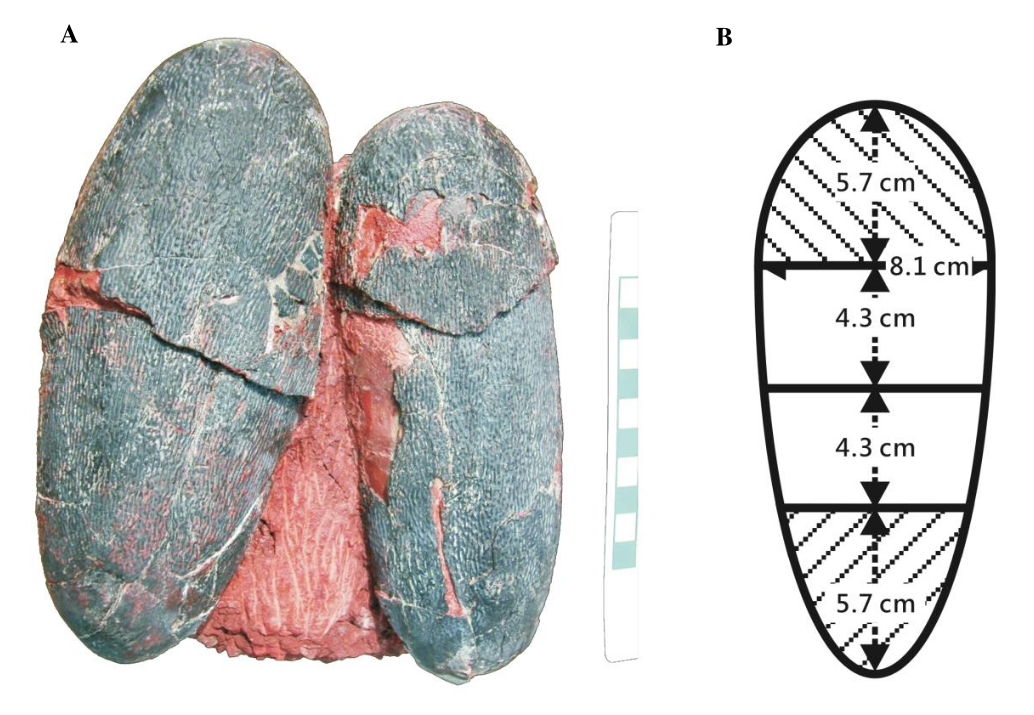 Fossil eggs of Heyuannia huangi and an egg model.